
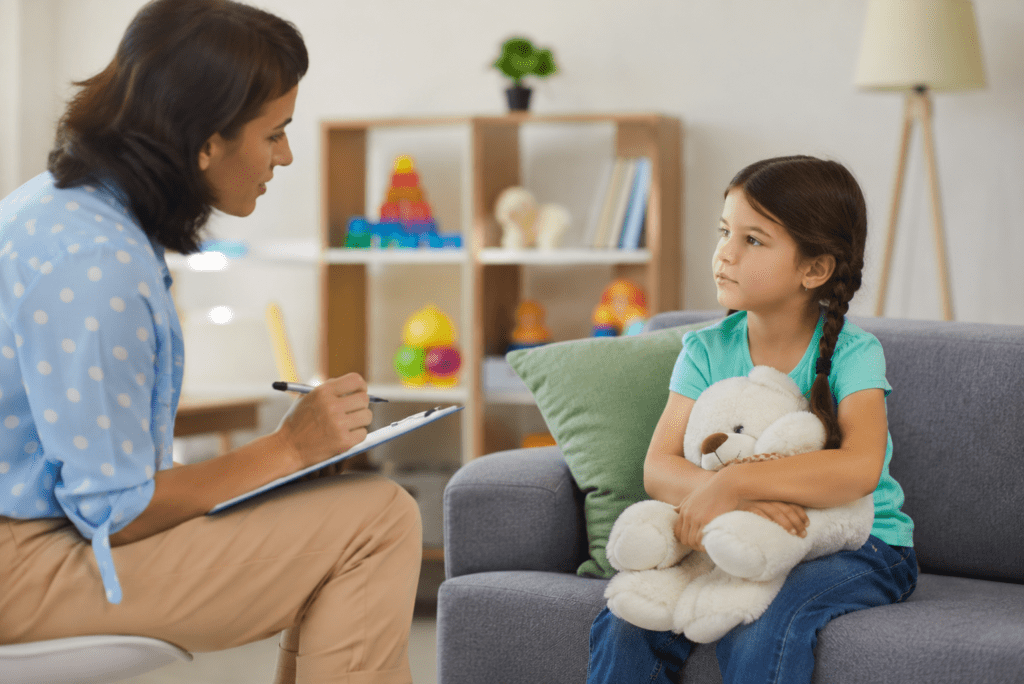
Learn how a child psychologist helps children cope with anxiety and stress. Discover warning signs, treatment options, and when to seek professional support.
Have you noticed your child saying, “My stomach hurts,” every morning at school, even though the doctor says they’re perfectly healthy? Or perhaps they’ve become quieter than usual, more easily frustrated, or suddenly no longer want to attend birthday parties or spend time with friends.
Children don’t always have the words to explain what they’re feeling. Instead, anxiety often shows up through changes in their behaviour, emotions, or physical health.
Today’s children are growing up in a fast-moving world filled with academic expectations, busy schedules, social media, and constant pressure to keep up. While some stress is a normal part of growing up, ongoing anxiety can affect a child’s confidence, relationships, learning, and overall well-being.
The good news is that anxiety is manageable. With guidance from a Child Psychologist, children can learn practical ways to understand their emotions, face challenges with confidence, and enjoy childhood without feeling overwhelmed.
Understanding Anxiety and Stress in Children
What Is Childhood Anxiety?
Feeling nervous before a school performance or worrying about making new friends is completely normal. These emotions usually come and go once the situation passes.
Anxiety becomes a concern when fear or worry sticks around, grows stronger over time, or begins interfering with everyday life. A child may avoid activities they once enjoyed, struggle to sleep, or constantly expect something to go wrong.
Stress and anxiety are closely linked. Stress is often a response to a challenging situation, while anxiety can continue even after the situation has passed.
Common Causes of Anxiety and Stress
Every child’s experience is unique, but several situations can increase emotional stress, including:
- Pressure to perform well at school
- Bullying or friendship difficulties
- Changes within the family, such as divorce or relocation
- Starting a new school or adjusting to a new environment
- Social media and peer comparison
- Long-term health conditions
- Difficult or traumatic life experiences
Sometimes, several small challenges build up over time, making it difficult for a child to cope alone.
Signs Your Child May Be Struggling with Anxiety
Children rarely say, “I’m anxious.” Instead, they communicate through their actions.
Emotional Signs
Watch for:
- Constant worrying
- Irritability over small issues
- Fear of trying new things
- Frequent crying
- Low confidence
Physical Signs
Anxiety can also affect the body.
Common symptoms include:
- Recurring stomach aches
- Headaches
- Trouble falling asleep
- Feeling tired during the day
Behavioral Signs
You may also notice changes such as:
- Refusing to go to school
- Avoiding friends or family gatherings
- Difficulty concentrating
- Emotional outbursts
- Becoming unusually clingy
- Nail biting or other nervous habits
When these behaviours continue for several weeks and begin affecting daily life, it’s worth seeking professional guidance.
How a Child Psychologist Helps Children Manage Anxiety
A Child Psychologist doesn’t simply ask children questions and expect long conversations. Therapy is designed around the child’s age, personality, and comfort level.
Comprehensive Psychological Assessment
The first step is understanding what lies beneath the anxiety.
A psychologist looks at the child’s emotions, family relationships, school experiences, daily routines, and behaviour patterns to identify possible triggers. This helps create a complete picture instead of focusing only on the symptoms.
Creating a Personalized Treatment Plan
There isn’t a one-size-fits-all solution for childhood anxiety.
Some children need help managing school-related stress, while others benefit from improving emotional regulation or social confidence. Therapy is tailored to the child’s individual needs, with achievable goals that parents can follow throughout the journey.
Teaching Emotional Regulation Skills
Many children experience big emotions but don’t know what to do with them.
Through therapy, they learn to recognise different feelings, understand what triggers anxiety, and respond in healthier ways instead of becoming overwhelmed. Over time, they begin to feel more confident in handling difficult situations.
Cognitive Behavioral Therapy (CBT)
One of the most effective approaches for childhood anxiety is Cognitive Behavioral Therapy (CBT).
CBT helps children understand how their thoughts, feelings, and behaviours are connected. Instead of believing every fearful thought, they learn to question it, replace it with balanced thinking, and gradually face situations that once felt scary.
These skills often stay with children well into adulthood.
Play Therapy for Younger Children
Young children often express themselves better through play than conversation.
Using games, drawing, storytelling, role play, and creative activities, play therapy allows children to communicate emotions they may not yet know how to describe. It creates a safe environment where healing can happen naturally.
Relaxation and Mindfulness Techniques
Therapy also introduces practical techniques children can use every day, such as:
- Deep breathing exercises
- Progressive muscle relaxation
- Mindfulness activities
- Guided visualization
These simple practices help children calm their minds, reduce physical tension, and feel more in control during stressful moments.
How Parents Can Support an Anxious Child at Home
Professional therapy works best when parents are actively involved.
Small changes at home can make a big difference:
- Listen without interrupting or judging.
- Let your child know their feelings are valid.
- Follow consistent daily routines.
- Encourage healthy sleep, balanced meals, and outdoor play.
- Reduce unnecessary screen time.
- Praise effort instead of perfection.
- Show healthy ways of managing your own stress.
Children feel safer when they know someone understands what they’re going through.
When Should Parents Seek Professional Help?
It’s time to speak with a mental health professional if your child’s anxiety:
- Continues for several weeks or months
- Interferes with school attendance or learning
- Causes panic attacks or intense fear
- Leads to avoiding everyday activities
- Results in repeated physical complaints without a medical cause
- Affects friendships or family relationships
Early support often leads to quicker progress and better long-term outcomes.
Benefits of Early Intervention
Addressing anxiety early helps children build lifelong emotional skills.
Some of the biggest benefits include:
- Better emotional control
- Improved academic performance
- Higher self-esteem
- Stronger friendships
- Better family communication
- Healthy coping skills for future challenges
- Lower risk of long-term mental health concerns
The earlier children receive support, the easier it becomes for them to develop resilience and confidence.
Conclusion
Every child faces challenges while growing up, but they shouldn’t have to carry overwhelming worry or stress on their own. Anxiety doesn’t define a child, and with the right guidance, it doesn’t have to limit their future either.
A Child Psychologist helps children understand their emotions, develop healthy coping strategies, and build the confidence to face life’s ups and downs. With early intervention, families can create a strong foundation for emotional well-being that lasts well beyond childhood.
At Openminds Center, we believe every child deserves to feel heard, understood, and supported. If you’ve noticed signs of anxiety or stress in your child, reaching out for professional guidance today can be the first step toward a happier, healthier tomorrow.