
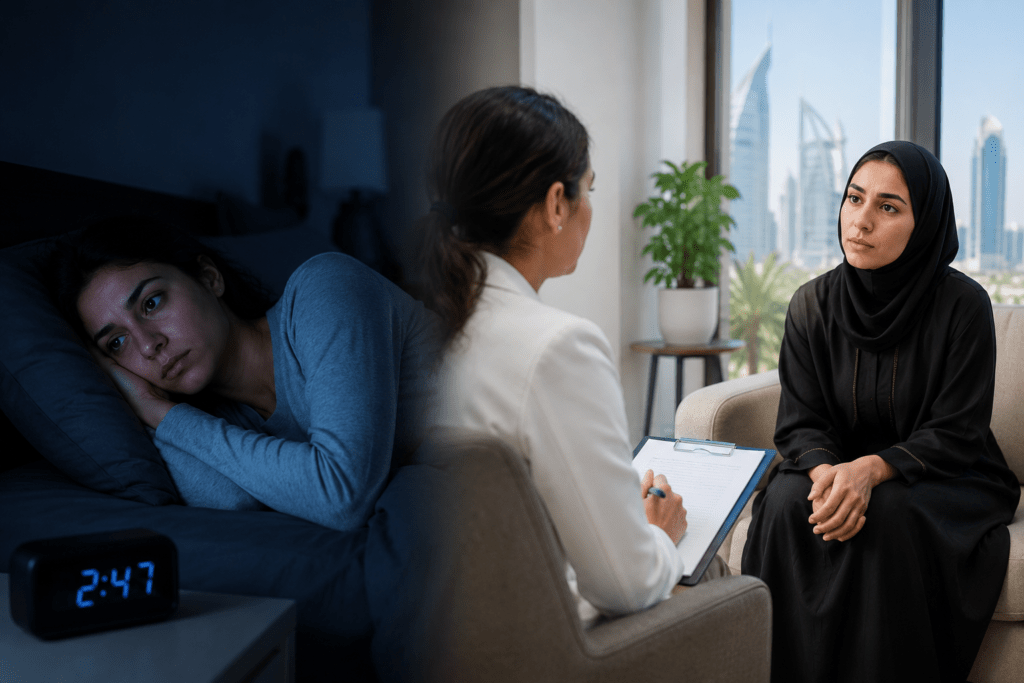
Have you ever woken up after a restless night feeling anxious, irritable, or unable to focus? While many people blame a busy schedule or stress, persistent poor sleep may be doing much more than making you feel tired. It can significantly affect your emotional well-being, thinking abilities, relationships, and overall quality of life.
There is a strong reciprocal association between mental health and sleep. Lack of quality sleep can increase the risk of developing mental health concerns, while conditions such as anxiety, depression, and stress can also make it difficult to sleep well.
If sleep problems persist for weeks or begin to affect your work, studies, or personal life, it may be time to seek professional guidance from a psychiatrist in the UAE.
Why Sleep Is Essential for Mental Health
There is more to sleep than simply unwinding. During sleep, your brain performs several essential functions, including:
- Processing emotions
- Strengthening memory
- Improving concentration
- Regulating stress hormones
- Supporting emotional resilience
When sleep is consistently disrupted, these processes become less effective, making it harder for the brain to function normally.
Over time, poor sleep may increase emotional sensitivity, reduce coping abilities, and contribute to mental health difficulties.
How Poor Sleep Affects Your Mental Health
Increased Anxiety
One of the earliest effects of insufficient sleep is increased anxiety.
When people don’t get enough restorative sleep, they frequently suffer from:
- Excessive worrying
- Restlessness
- Racing thoughts
- Increased nervousness
- Difficulty relaxing
Poor sleep may also make everyday challenges feel much more overwhelming.
Higher Risk of Depression
Research has consistently shown a strong relationship between insomnia and depression.
People with long-term sleep difficulties may experience:
- Persistent sadness
- Loss of motivation
- Fatigue
- Low energy
- Reduced interest in daily activities
Improving sleep is often an important part of a comprehensive treatment plan for depression.
Difficulty Managing Stress
After several nights of poor sleep, even minor problems can feel difficult to manage.
This happens because sleep deprivation affects the brain’s ability to regulate emotional responses.
You may notice:
- Short temper
- Mood swings
- Emotional exhaustion
- Feeling overwhelmed easily
Reduced Focus and Productivity
Sleep directly influences cognitive performance.
Insufficient sleep may cause:
- Poor concentration
- Forgetfulness
- Slower decision-making
- Reduced creativity
- Difficulty completing everyday tasks
These symptoms can affect both students and working professionals.
Irritability and Relationship Challenges
Poor sleep doesn’t only affect the individual it can also influence relationships.
People experiencing chronic sleep deprivation may become the following:
- Easily frustrated
- Less patient
- Emotionally reactive
- Less empathetic
These changes can impact communication with family, friends, and colleagues.
Signs That Poor Sleep May Be Affecting Your Mental Health
Consider seeking professional support if you experience:
- Difficulty sleeping for more than 3 weeks
- Feeling anxious most days
- Low mood or hopelessness
- Constant fatigue despite sleeping
- Panic attacks
- Difficulty concentrating
- Loss of interest in activities you once enjoyed
- Emotional outbursts
- Increased stress
- Reduced work or academic performance
Early evaluation can help identify whether sleep issues, a mental health condition, or both are contributing to your symptoms.
Common Causes of Poor Sleep
Several factors can interfere with healthy sleep, including:
Stress
Work pressure, financial concerns, and family responsibilities commonly disrupt sleep.
Anxiety Disorders
Persistent worrying often makes it difficult to fall or stay asleep.
Depression
Depression can lead to insomnia, early morning waking, or sleeping excessively.
Excessive Screen Time
Using phones or laptops before bedtime may delay sleep by affecting the body’s natural sleep cycle.
Irregular Sleep Schedule
Changing bedtime frequently can interfere with your body’s internal clock.
Medical Conditions
Certain medical conditions and medications may also contribute to sleep disturbances, making a professional assessment important.
When Should You See a Psychiatrist?
Occasional sleepless nights are common. However, professional help is recommended when:
- Sleep problems persist for several weeks
- Your mood continues to worsen
- Anxiety interferes with daily life
- You struggle to function at work or school
- Self-help strategies are no longer effective
- You experience thoughts of self-harm or suicide (seek immediate emergency care)
A psychiatrist can evaluate whether an underlying mental health condition is contributing to your symptoms and recommend an individualised treatment plan.
How a Psychiatrist Can Help
Depending on your symptoms and diagnosis, treatment may include:
- A comprehensive mental health assessment
- Identifying underlying causes of sleep problems
- Evidence-based psychotherapy recommendations
- Medication when clinically appropriate
- Stress management strategies
- Lifestyle and sleep hygiene guidance
- Ongoing monitoring and follow-up
Treatment is personalised because every individual’s symptoms and circumstances are different.
Tips to Improve Sleep Naturally
While professional care may be necessary for persistent symptoms, healthy sleep habits can support better rest.
Maintain a Consistent Sleep Schedule
Go to bed and wake up at the same time every day.
Reduce Screen Exposure Before Bed
Avoid mobile phones and other electronic devices at least one hour before sleeping.
Limit Caffeine Late in the Day
Coffee, tea, and energy drinks can interfere with sleep quality.
Create a Calming Bedtime Routine
Reading, meditation, or gentle stretching may help prepare your body for sleep.
Exercise Regularly
Regular physical activity supports better sleep, but intense exercise close to bedtime may make it harder to fall asleep.
Keep Your Bedroom Sleep-Friendly
A cool, quiet, and dark environment promotes better-quality sleep.
Frequently Asked Questions
Can poor sleep cause anxiety?
Yes. Poor sleep and anxiety have a bidirectional relationship. Lack of sleep can worsen anxiety symptoms, while anxiety can also interfere with healthy sleep.
Can sleep deprivation cause depression?
Persistent sleep problems are associated with a higher risk of depression. However, depression has multiple causes, and an evaluation by a qualified mental health professional is important.
What is the suggested amount of sleep for adults?
Although each person’s needs may differ, most individuals benefit from 7 to 9 hours of good sleep every night.